
What Parents Need to Know About Gas Station Drugs
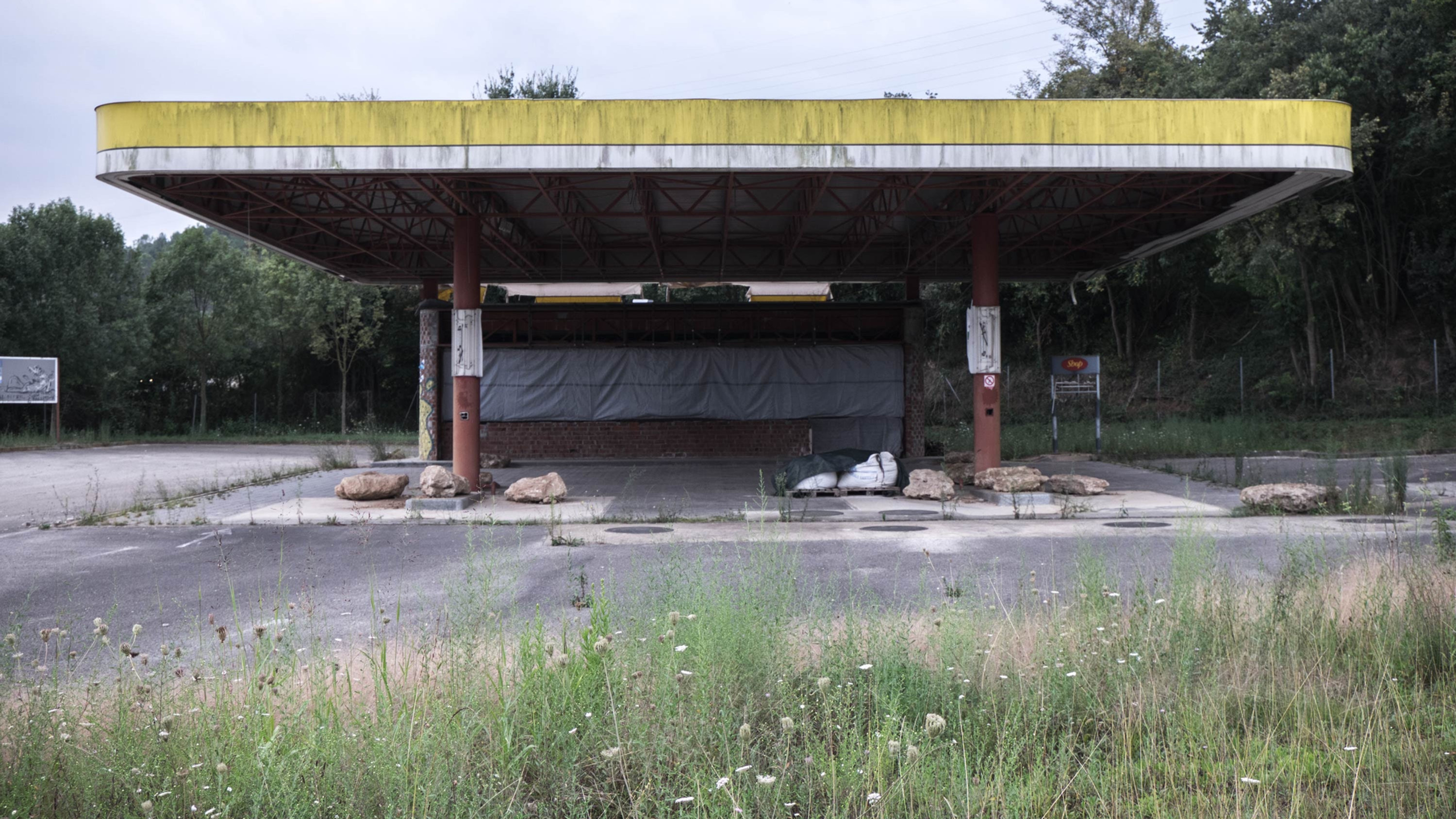
When I talk with parents about substances like Spice, K2, kratom, or the newest product being sold at a gas station or smoke shop, I often hear some version of the same question:
“How can they sell this stuff if it’s so dangerous?”
It’s a fair question. Most of us assume that if something is sitting openly on a store shelf, somebody must have decided it is reasonably safe. We expect there to be rules. We expect someone to be checking what is in the package.
Unfortunately, with many of these products, that simply hasn’t been the case.
Gas station drugs were designed to look harmless
Gas station drugs with names like Spice, Mr. Nice Guy, Scooby Snacks, and K2 were sold as alternatives to marijuana. They came in colorful packages and could be purchased without finding a drug dealer. Some were especially appealing to young people because they were believed to produce a similar high without appearing on a standard drug screen.
To a young person, that can sound like a loophole with very little downside: it’s legal, it’s available at the gas station, and nobody will know.
But none of those things tells us that the substance is safe.
In fact, these products can be especially dangerous because the person using them may have no reliable way of knowing which chemicals are present, how strong they are, or how their body will respond.
“Not for human consumption” doesn’t make the danger disappear
You may have seen packages labeled “not for human consumption” or described as incense, potpourri, or another product that was supposedly never intended to be ingested.
Everyone involved understood what people were actually doing with it.
That little sentence on the package allowed manufacturers and sellers to distance themselves from how the product was being used. It also made it harder for regulatory agencies to treat the substance like a drug intended for human consumption.
For parents, the important thing to understand is that the label was not evidence that the product was harmless. It was part of the way these products stayed on shelves.
The formula keeps changing
One of the biggest challenges with synthetic drugs is how quickly they change. Once a particular chemical is identified, regulators can restrict it and laboratories can develop a test to detect it. But manufacturers may then alter the chemical structure slightly and release a new version.
The name on the package might stay the same even though the substance inside has changed. Two packages purchased at different times—or even in different stores—may not contain exactly the same thing. That makes these drugs difficult to regulate, difficult to test for, and difficult for medical and treatment professionals to predict.
It also means that a young person may take something they have used before and have a completely different reaction.
The science was never intended for this
Many synthetic cannabinoids have been associated with compounds bearing the initials JWH. Those initials refer to John W. Huffman, a researcher who developed synthetic cannabinoid compounds to study how cannabinoid receptors work in the body.
These chemicals were created for scientific research. They were never intended to be packaged, sold, and consumed as recreational drugs.
Once information about the compounds became publicly available, manufacturers began using that research to create synthetic marijuana products. As particular compounds became known, scientists also worked to develop tests capable of detecting them.
The problem is that testing is usually trying to catch up. A screening tool can detect the substances it was designed to recognize, but it may not immediately identify a new variation that has just entered the market.
Word travels quickly
Young people struggling with substance use tend to learn very quickly which products are available, what effects they produce, and which ones may not appear on a drug test.
That information can spread much faster than reliable information about what is actually in the product or what risks come with it.
By the time parents, clinicians, laboratories, and regulators begin recognizing a new substance, it may already be widely available.
This is one reason I encourage parents to remain curious when something doesn’t make sense. If your son appears intoxicated but his drug screen is negative, that does not necessarily mean you imagined what you saw—or that he wasn’t using anything. The test may simply not have been looking for the right substance.
Legal and available do not mean safe
I understand why parents feel blindsided by these products. We were all raised to believe there was a clear distinction between drugs sold illegally and products available in ordinary stores. That distinction has become much less reliable.
Something can be sold legally and still be dangerous. It can be attractively packaged and completely unpredictable. It can be labeled “natural,” “herbal,” or “not for human consumption” and still cause a serious medical or psychiatric reaction.
If you are worried about something your son is using, take that concern seriously. Save the packaging if you have it. Tell medical or treatment professionals exactly what you saw, even if a drug screen came back negative. And don’t let the fact that it came from a gas station convince you that it couldn’t be the source of the problem.
Parents know when something is wrong. You may not know the name of the substance yet, but that does not mean you are wrong about what you are seeing.
If you're seeing things at home that are giving you pause—these products along with some concerning beahviors—you can have a conversation with someone from our team to talk through what you're seeing and what to do next. We'll help point you in the right direction.


